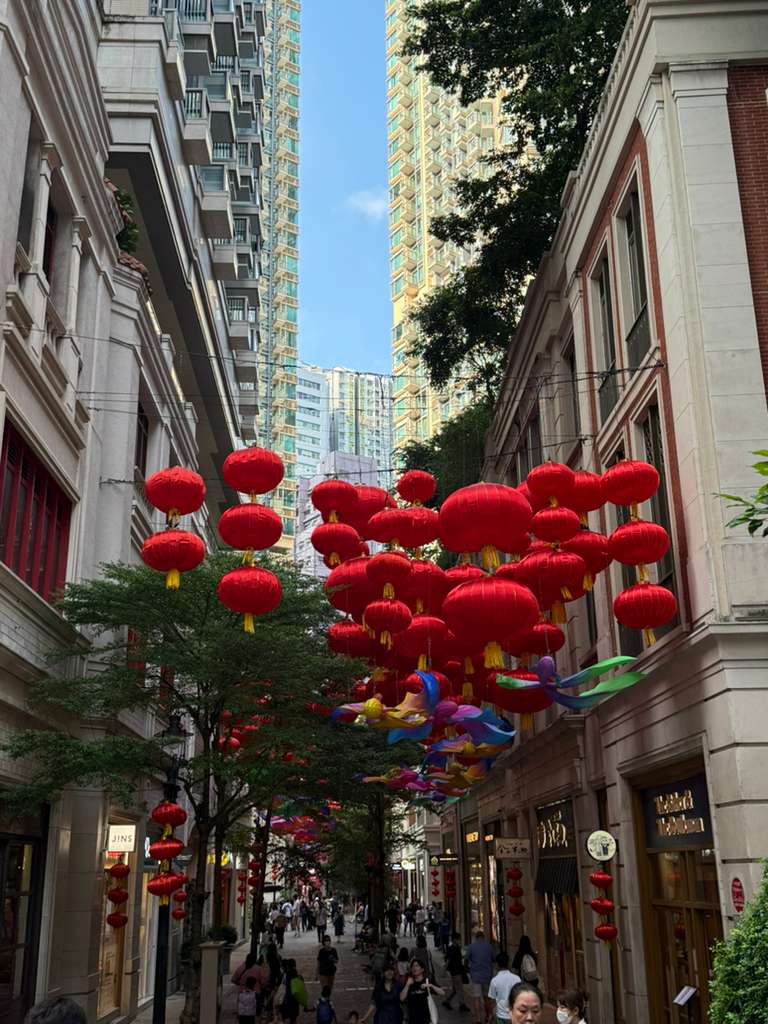
In The Mood for Hong Kong
“That era has passed. Nothing that belonged to it exists anymore.”
– In the Mood for Love (2000)
I was too late.
She’s long gone.
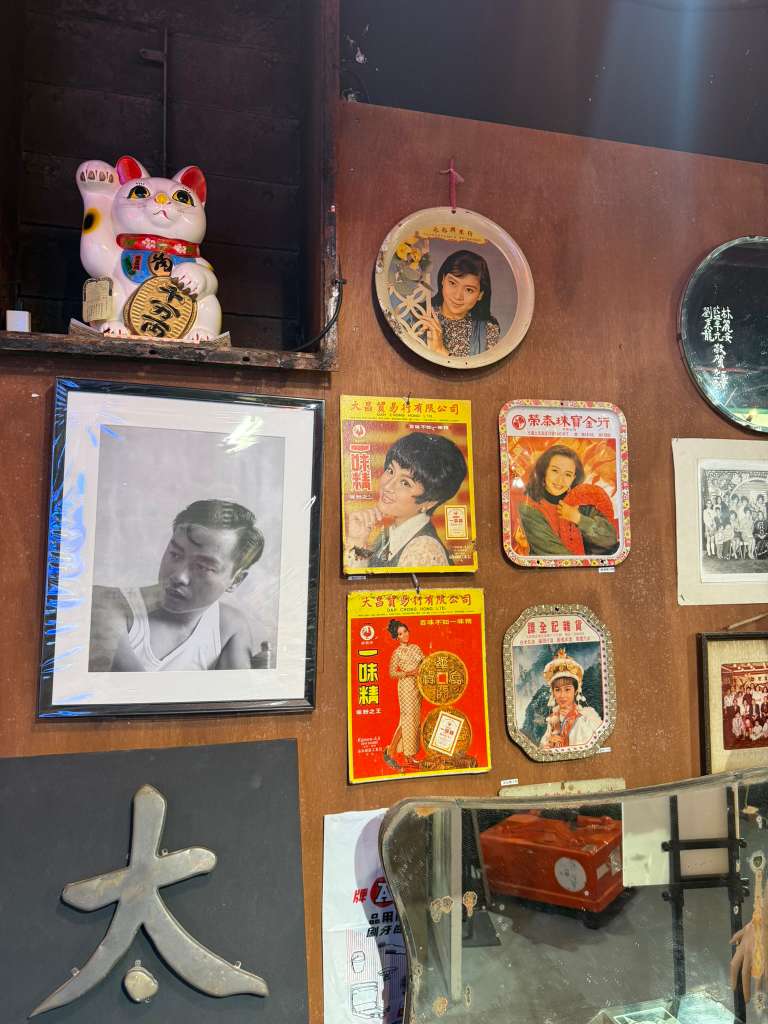
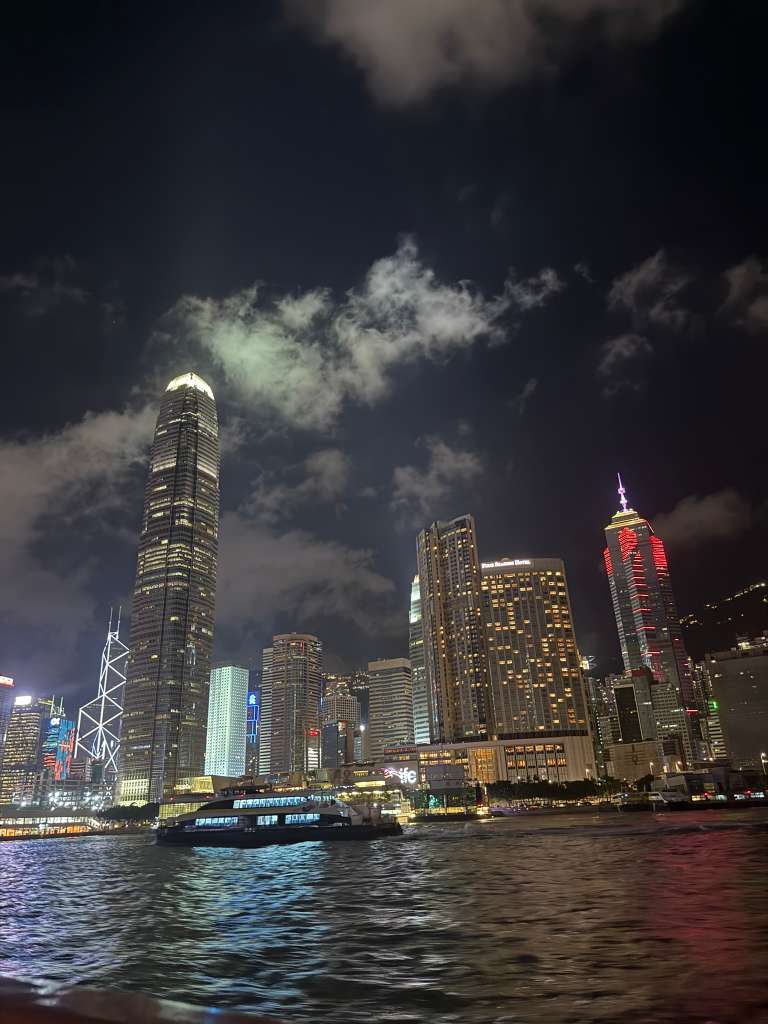
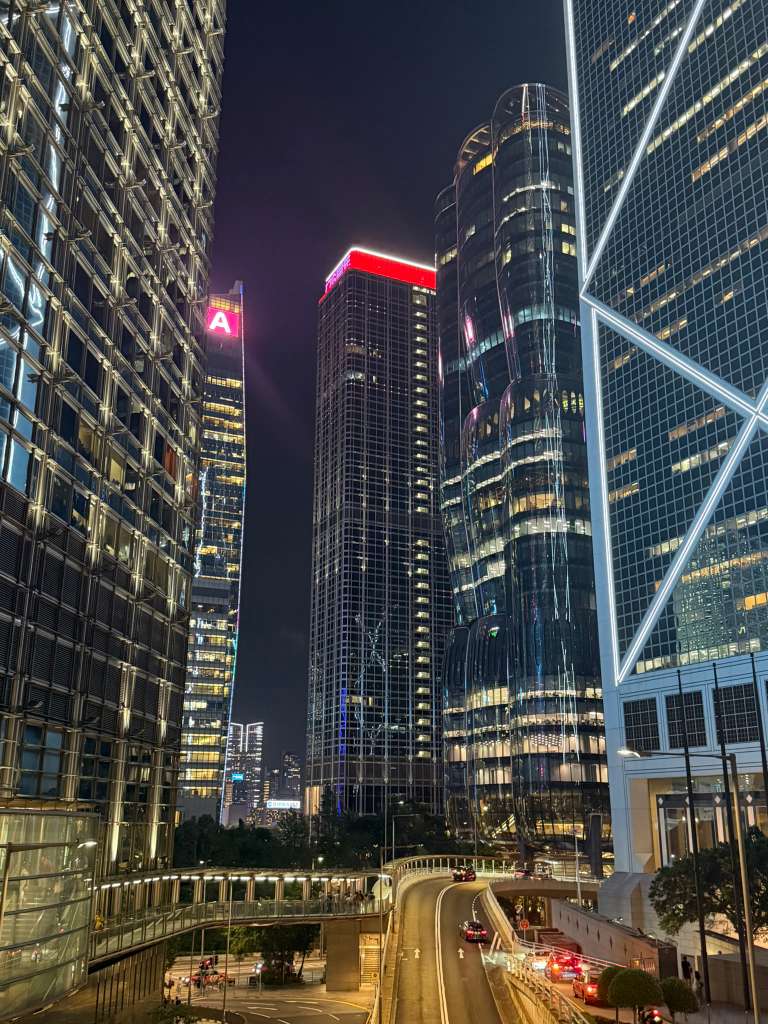
They still call her the Pearl of the Orient, but I hardly recognize her from our last encounter. She traded in those iconic Neon signs for more energy and cost-efficient LED. She outgrew her love of street food and moved onto Michelin Guides. She stripped away her Bamboo silhouettes in favor of more glass and steel.
The first time we met was the last time we met. I was 21 years old, working an internship abroad in China. I had seen and heard so much about her. I don’t remember much from that weekend, but I remember how her big doe eyes lit up at night. I remember how alive she made me feel. Those were in the degenerate hooligan days of my youth. I guess we’ve both changed since then.
The girl I knew back in those days loved simple things. She used to stand out. She was different. Unique. That’s what I loved about her. She used to be into artists. But she belongs to someone else now. She hangs in different circles. I only see her in pictures with the tech and finance crowd. She chases the same things as everyone everywhere else. The trendy and contemporary. I guess she finds safety in it.
If I’m being hard on myself, then it’s all my fault. I waited too long to see her. But if I’m being fair, then it’s nobody’s fault. I have my reasons why I had to wait. She has her reasons why she couldn’t. In the end, I suppose we just couldn’t get the timing right.
All I know for sure is that it’s not her fault. After all….she has dreams too. She wanted to grow. Who am I to hold her back for my own selfish reasons? I couldn’t expect her to remain the same forever.
How can I introduce you to her? Her identity – it’s complicated. It’s not worth getting into a long-winded geopolitical dialogue about the Opium wars and Hong Kong’s sovereignty. That’s for another time. But you should know this. 150 years of British rule has influenced every aspect of her life. From the way she talks, the way she walks, and the way she thinks.
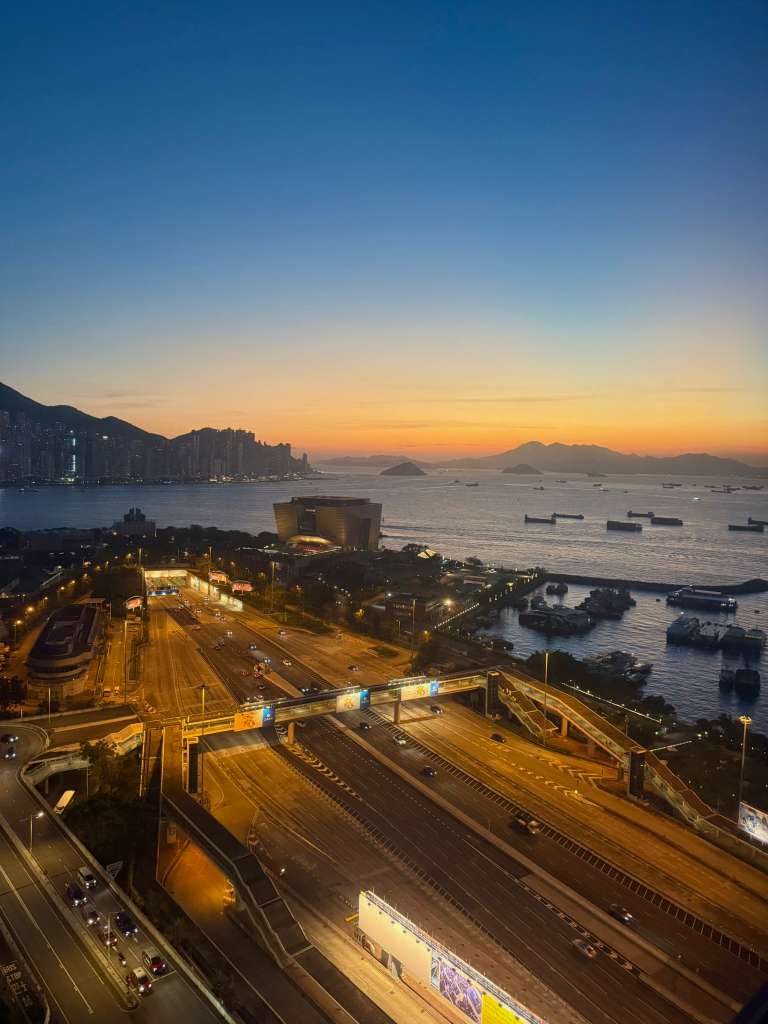
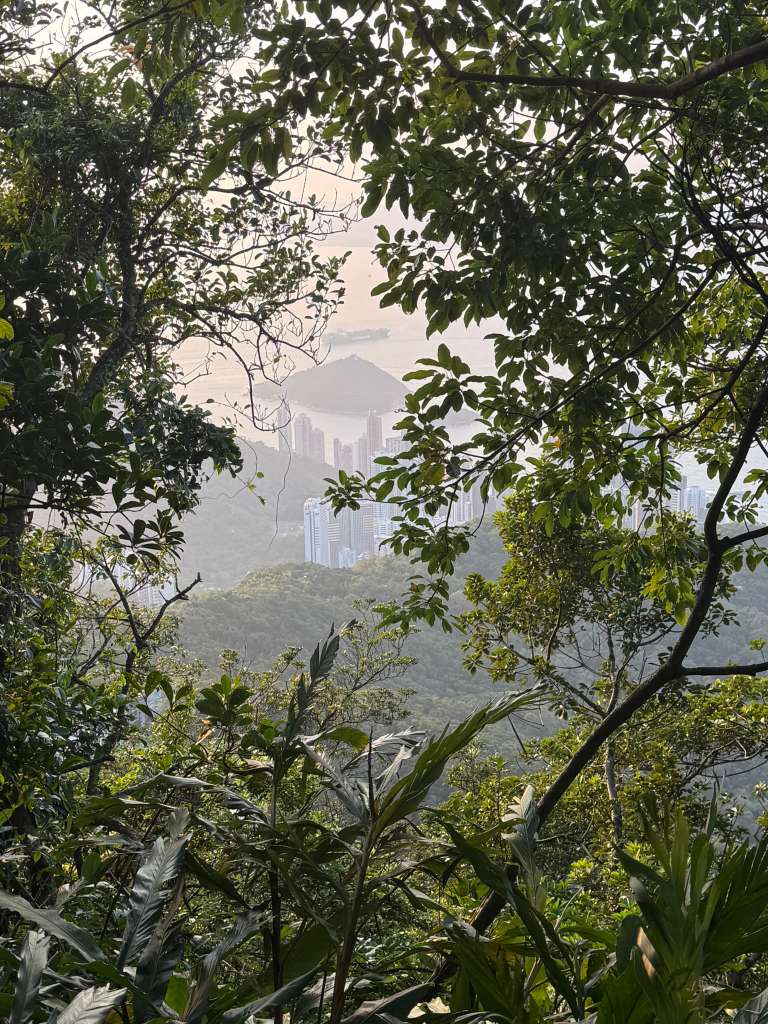
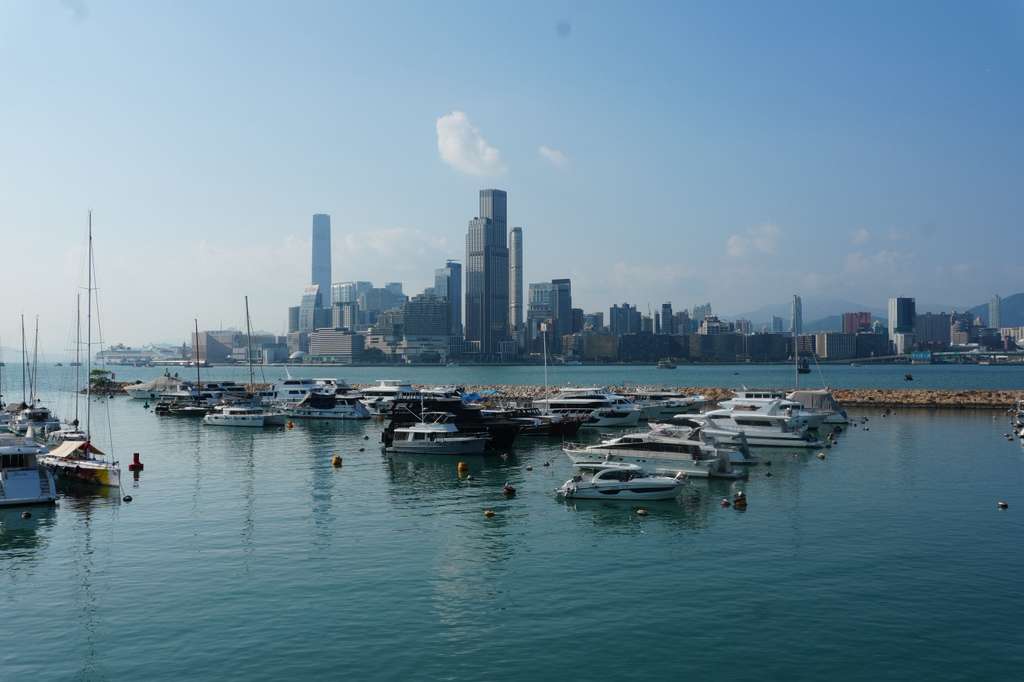
She’s an island, geographically and emotionally. She relishes her autonomy and can take care of herself. With the ocean on one side and the Pat Sin Leng mountains on the other, the city of Hong Kong is sandwiched in between. With nowhere to grow but vertically, Hong Kong is one of the most densely populated places on the planet. But within that density, there’s a profound sense of isolation.
To live with her require would require a lot of sacrifice. She won’t always have time for you. She’s a workaholic. She’s always out late, off to her second or third job hustling, trying to make it whatever the cost. She can be blunt, a little cranky, but she’s got a great sense of humor, and she won’t hesitate to let you know when you’re being an idiot American tourist. I don’t mind, I like it. She reminds me of home.
She can be temperamental; her mood can shift like the rainclouds during monsoon season. You need to understand she’s not neglectful, she’s ambitious. I’ve yet to meet anyone so driven. She knows exactly what she wants, and she will burn heaven and earth to the ground to get there. It’s the reason for all her changes. She only knows how to look forward.
If you really want to understand her, you should see her through the eyes of her favorite storyteller; one of the most celebrated international filmmakers of our time, Wong Kar Wai. Hong Kong isn’t just the setting for a majority of WKW’s films, she is the protagonist. He moved to this city at the age of 5 with his parents from Shanghai in the 1960s. He was perhaps too young to see the yearning and loneliness in her eyes back then, but they would soon bond over it.
Wong Kar Wai’s childhood in Hong Kong was spent as a shy loner. His elder siblings were left behind in mainland China when borders were shut closed at the start of Mao’s Cultural Revolution. His family was separated for 10 years. But she was there for him. She exposed him to an English education. She introduced him Hollywood films, pop music, and fashion from the Western world to find refuge and belonging in. When WKW found his calling as filmmaker, he used everything she taught him to write love letters right back to her. When the British relinquished control of Hong Kong in 1997, it was in the middle of WKW’s most formative years as a director.
7 of Wong Kar Wai’s 10 feature length films are set in Hong Kong. The most celebrated of these include Chungking Express (1994), Fallen Angels (1995) and In the Mood for Love (2000). The latter is one of the greatest films of the 21st century. It’s one of the most visually evocative, enchanting love stories ever made, and there isn’t a single moment of intimacy captured on camera.
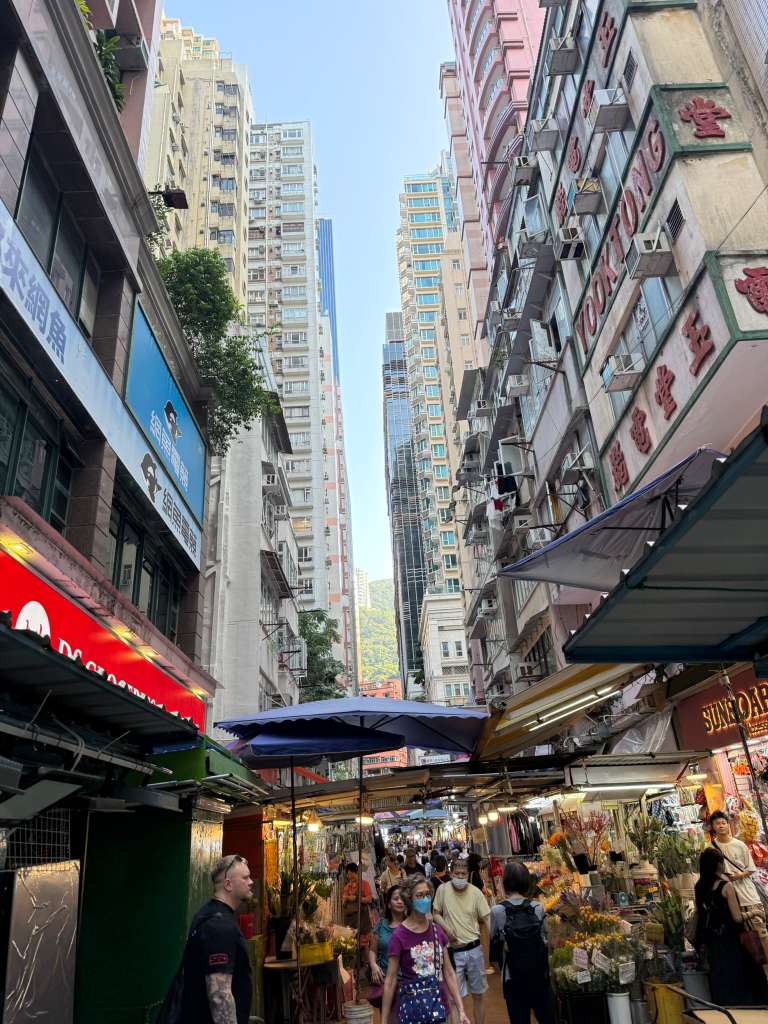
The common thread across these 3 films is the juxtaposition of proximity and loneliness. How being surrounded by crowds in one of the densest cities in the world, with people packed into tiny apartments like canned sardines, still doesn’t offer any promise of companionship or understanding. They capture the ever-changing nature of Hong Kong and the fast-paced kinetic nature by which she moves. In all the years that have followed, no other filmmaker on Earth has been able to replicate the look and feel of these 3 Wong Kar Wai masterpieces.
Christopher Doyle, the legendary cinematographer of these films, even used a rare and special camera lens while filming. Most films are shot on 35-50mm range. Lens in this range provide the most natural replication of space, light, and distance to the human eye. As you scale up the focal length of the lens, into say telescopic (60mm), subjects on screen will appear compressed and closer to objects in the frame than they actually are. They’re typically used for close up isolated shots.
A wide angle lens (under 35mm), has the opposite effect. It exaggerates space between subjects in the frame and is best for landscape shots. Chungking Express (1994), Fallen Angels (1995), and In the Mood for Love (2000) all utilize the rarely used 15 mm Ultra Wide Angle lens when filming. Practicality was a big part of this, but it furthered the narrative of the films in visually stunning ways. They emphasized the distance, sometimes emotional, between characters who were in close physical proximity to each other.
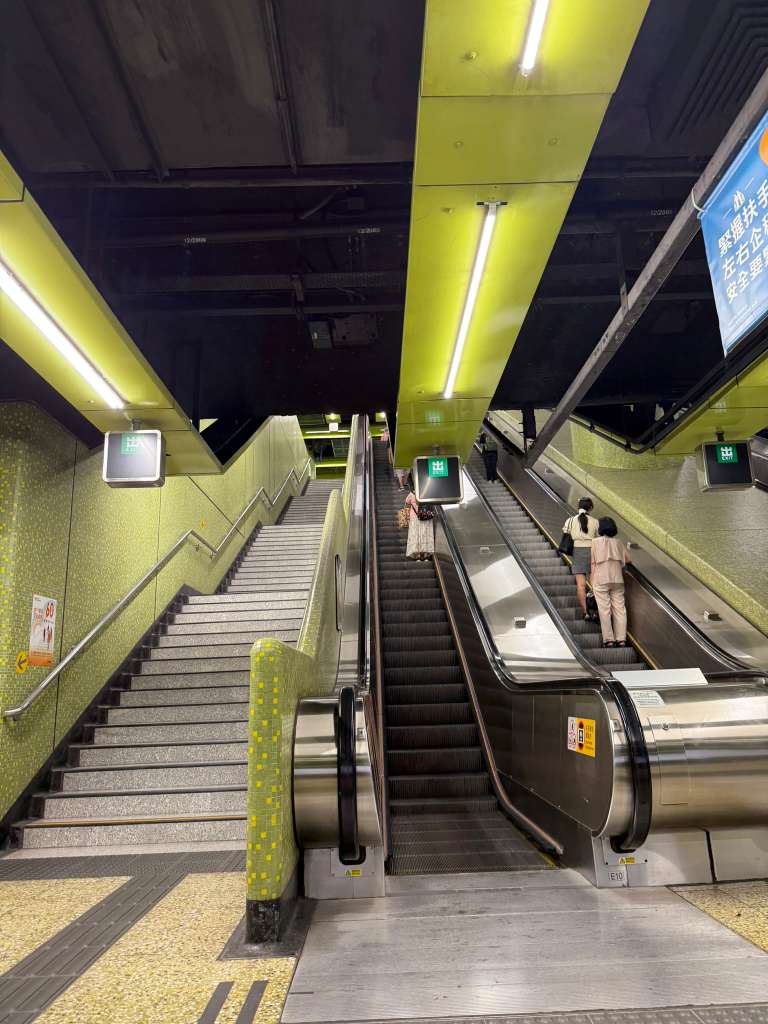
You don’t watch Wong Kar Wai movies, you feel them. You let the atmospheric music take over your senses. The oversaturated colors and compositions take you into a dream world. His films are about seemingly ordinary places; bars restaurants, metro stations and deeply complicated entangled lives of the people who fill these spaces daily. His films capture the essence of Hong Kong as a city full of people who are perpetually yearning for connection that always alludes them in a city that is always changing.
The thing about saying goodbye is, you aren’t just saying goodbye to that person or that place. You’re saying goodbye to a part of you that stays behind with them. For me, accepting that she’ll never be home means turning the page on a chapter in my life where I truly believed, optimistically or foolishly, that anything was possible. I told myself when I first saw her that she was the one for me, but life didn’t work out that way. And although I sit and lament knowing I’ll never be beside her, I’m at peace with who she’s becoming.
The way I feel about her isn’t a romanticization of some drunken hazy memory or the reverence of a kid growing up loving Rush Hour and Wong Kar Wai films. No, no, no. It’s something real and tangible. What makes a person? What makes a place? For me to judge her over streetlights and architecture would be no different to making judgements on a person over how they dress. So who’s the superficial one?
The only truth is absolute truth. The only faith is blind faith. And the only love is unconditional love. If it comes with conditions, it’s not love. And I love her. All of her. Even the parts of her I disagree with or don’t find comfort in.
You probably think I’m crazy.
She was never mine to lose. I know that.
She belongs to someone else. I know that too.
I suppose just got attached because I see so much of myself in her. She’s a dreamer. Caught in between 2 cultures, 2 worlds, 2 identities. A chaotic, charming, temperamental, ambitious, yapping beautiful mess.
I’m not writing this because I want to change her or change her mind. I know how stubborn and driven she is. She knows herself and she knows her path. She has a purpose far bigger than me. I’m only writing this to let her know, if there was any doubt, that I loved her and not just the idea of her. I never wanted to change her. I just wanted her to know she didn’t have to. She was enough for me already.